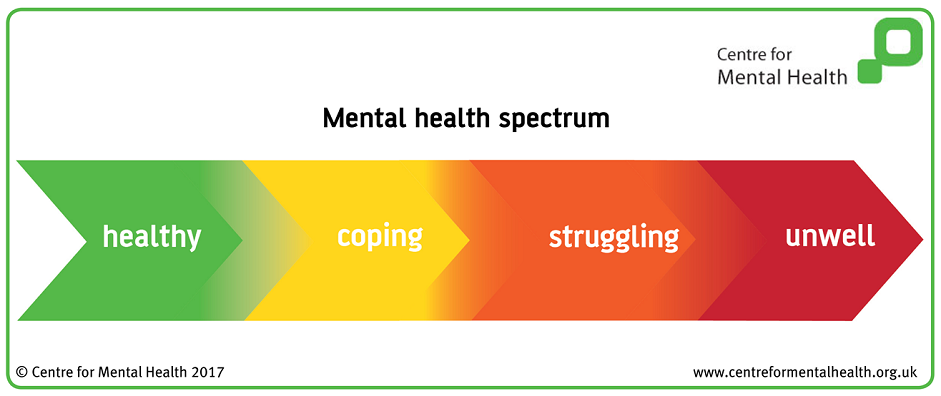
With 24th July marking “Physical Activity Day”, Action Mental Health is encouraging you to think about how integrating exercise may look for you at each stage of the wellness spectrum. We encourage you to begin by asking yourself the following questions:
We often set out on new physical exercise routines without really questioning what’s achievable- even on our best days. For some people, their most well selves will happily jump into multiple exercise classes a week, pop out running regularly or get involved with hiking at the weekend. If that’s you- that’s fantastic!However, for many people, our most “well” selves naturally live a more sedentary lifestyle. Whether you’re juggling full-time work or childcare commitments with limited time to exercise, or simply don’t naturally enjoy vigorous exercise- that’s okay! Building a sustainable exercise routine is about leaning into the things you will be able to enjoy and that looks different for everyone! We’ve listed some exercise habits you may be able to employ on your best days, but remember- these are simply examples, choose the ones that sound most enjoyable for you and disregard those that feel unachievable or simply aren’t your thing!
- Group exercise classes
- Cycling
- Jogging or running
- Crossfit or circuit training
- Aerobic dancing or Zumba
- Strength training
- Yoga or pilates
- Tennis, badminton, squash, padel
- Hiking
- Group spots such as rugby, netball, football and hockey
- Martial arts
- Skipping
- Swimming
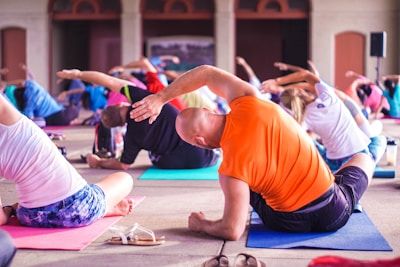
The “coping” zone of the wellness spectrum often describes the period where we start to notice that managing our mental health is a little bit more effortful. You might notice that you are more overwhelmed, anxious, irritable or your mood has dipped. At this stage of the wellbeing spectrum, we want to think about tools and strategies that help us to move back into the “healthy” zone where possible. These strategies will look different for everyone and physical exercise will play a different role depending on what your focus is.
For example, if you typically find that spending time with others is a beneficial coping strategy, you may want to incorporate:
- Regular walks with friends
- Group exercise classes
- Parkrun
- Community gardening groups
- Family bike rides
- Sports clubs
- Parent and child exercise groups
- Playing tennis with a partner
- A gymnastics or dance class
Conversely, other people may find that the “coping” zone is a time where they need to focus on rest and recovery. Therefore, more gentle movement may feel more beneficial, for example:
- Yoga
- Pilates
- Gardening
- Water aerobics
- Walking
- Stretching
- Gentle swimming
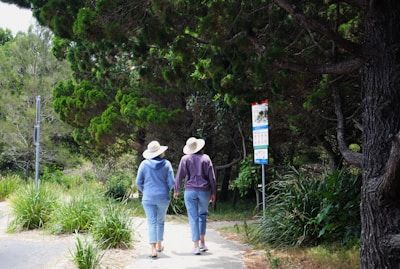
Lastly, it can be helpful to think about what exercise may look like for you on the days where your mental health feels really challenging. We wouldn’t expect ourselves to exercise in the same way when we’re physically unwell as when we’re physically healthy. Therefore, it’s unreasonable to expect that we’ll feel able to continue the same exercise goals when we’re feeling mentally unwell as we do when we’re in the green/ healthy zone of the spectrum.
Consider how you feel at the times where your mental health is particularly challenging. Perhaps you experience physical symptoms of anxiety- such as increased heart rate, palpitations or nausea. For many people who experience physical signs of anxiety, cardiovascular activity can seem to exacerbate symptoms. Resultantly, you may decide that a few bodyweight strength exercises is more achievable. Alternatively, you may struggle with low mood and motivation on difficult days, making a self-motivated workout feel like a struggle. Perhaps going for a gentle walk with a friend feels a little easier. Remember, it’s okay to go at your own pace. Here’s a few suggestions of ways to incorporate exercise on challenging days:
- Arrange a walk with a friend or family member
- Put on a 5-10 minute guided yoga video on youtube
- Complete a few simple bodyweight exercises such as squats or wall push-ups
- Walk to the end of your street and back
- Do some gentle stretching whilst watching tv
- Do some light gardening
- Break movement into small chunks throughout the day, rather than aiming for one longer workout
- Celebrate any movement, no matter how small it feels
Remember, the goal isn't perfection. Physical activity doesn't have to mean intense workouts or spending hours in the gym. On some days, exercise might look like a challenging run or a fitness class. On other days, it may simply mean stretching for five minutes or taking a short walk outside. By tailoring your expectations to where you are on the wellness spectrum, you can build a more compassionate and sustainable relationship with movement- one that supports your mental health through both the good days and the difficult ones.